

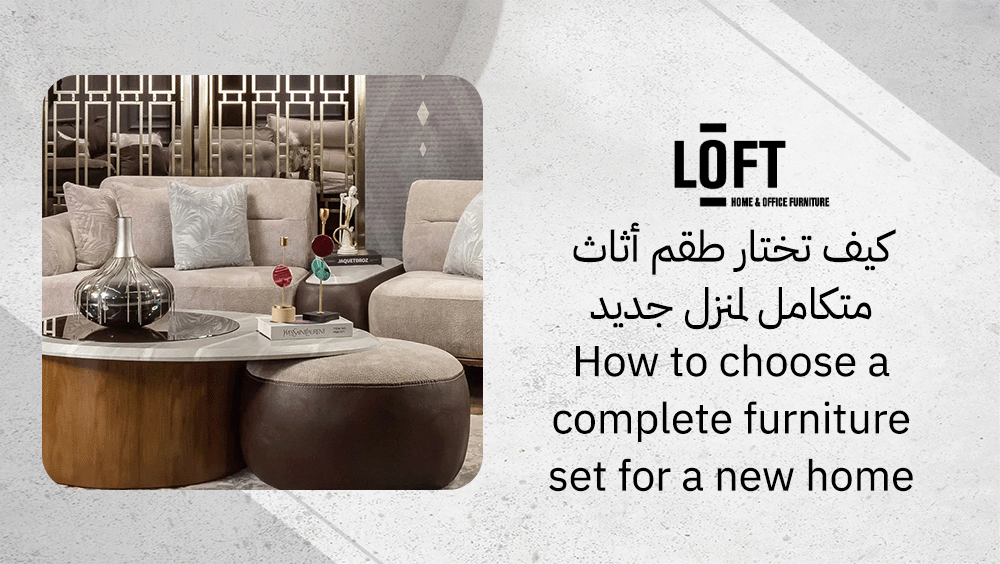
If you are wondering how to choose a complete furniture set for a new home, the process begins with clear steps that help you furnish your house in an organized and efficient manner. The journey starts by identifying the décor style that reflects your taste—whether modern, classic, or a mix of both—followed by accurately measuring spaces to avoid overcrowding or leaving uncomfortable gaps. Selecting a harmonious color palette is as important as choosing durable materials that provide comfort, along with carefully distributing your budget to ensure that the furnishing is cohesive and fully meets the needs of your new home.
Loft store invites you to explore collections of unified furniture sets with contemporary touches, helping you answer the question: how to choose a complete furniture set for a new home? You will find diverse options to suit every taste, giving your home a consistent visual identity that combines beauty and functionality in every corner.
How to Choose a Complete Furniture Set for a New Home by Identifying Needs and Lifestyle
Selecting home furniture step by step requires a clear understanding of your daily needs and lifestyle expectations in the new residence. Furnishing a new home is not just about aesthetics or modern designs; it starts with a first-home furniture buying guide that prioritizes family needs before any purchase decision. Understanding the nature of daily life and the different functional spaces directly contributes to making correct decisions regarding furniture allocation and purpose.
1. Define the Function of Each Room
Every room has a specific purpose according to the family’s lifestyle. Some spaces are designated for receiving guests, while others may be set aside for studying, playing, or working from home. Therefore, when considering how to choose a complete furniture set for a new home, it is essential to define room functions carefully, ensuring the most suitable furniture pieces are selected for each space according to its intended purpose.
2. Determine Daily Lifestyle Requirements
Your daily lifestyle is a key factor in furniture selection. Large families or households with small children need sturdy, easy-to-clean furniture, whereas homes that host guests frequently require multiple seating options and open areas suitable for gatherings. If a family member works from home, providing a dedicated workspace is essential to achieve comfort and productivity when furnishing the new home.
3. Comfort and Practicality Requirements
Comfort and practicality are indispensable when choosing furniture. Consider seating and sleeping comfort, ease of movement around furniture, and storage and cleaning flexibility. These factors are especially critical in small homes or for families with special needs, such as young children or elderly members. The goal is always to combine practical design with aesthetic appeal for optimal use of each piece.
Choosing a Unified Furniture Style and Décor for the Home
When thinking about how to choose a complete furniture set for a new home, the importance of a consistent visual style emerges as a major factor, giving all areas of the house a sense of cohesion and harmony. Maintaining a unified decorative line helps create a coherent environment that feels comfortable and showcases modern or classic furniture in its best light. Coordinating furniture and décor styles plays a central role in seamlessly conveying the design vision across different rooms.
1. Determine the Home’s Main Style
The foundation of furniture selection starts with defining the primary style for the entire home. Popular styles include:
- Modern: clean lines, neutral colors, open spaces.
- Neoclassical: elegant details combined with soft classical touches.
- Scandinavian: emphasizes natural light, calm, and sustainability.
- Industrial: utilizes metals and dark tones with raw wood.
Selecting one of these styles simplifies the search and ensures all pieces harmonize within the home.
2. Coordinating Style Across Rooms
To ensure a smooth visual flow between living, sleeping, and dining areas, choose colors, patterns, and materials that are consistent across furniture sets. Use a shared color palette and decorative accents to reinforce the chosen style’s identity without repeating every piece literally in every room. This consistency enhances open spaces and allows modern and contemporary furniture to integrate seamlessly.
3. When to Choose Ready-Made vs. Custom Furniture
Ready-made furniture is suitable for quick implementation and cost savings, with a variety of contemporary and modern collections available. Custom furniture, on the other hand, allows full control over dimensions, materials, and colors, making it ideal for unique spaces or precise customization. Drawbacks of ready-made furniture include limited personalization, whereas custom furniture usually requires more time and a higher budget. The optimal choice depends on your priorities regarding speed, customization, and cost.
Selecting Colors and a Cohesive Décor Palette
Colors play a pivotal role in achieving harmony and balance in interiors, serving as a strong foundation for cohesive décor. When designing a home color palette:
- Choose a primary color for the main elements.
- Add a secondary color for vibrancy and depth.
- Use a tertiary color in accessories to enrich details and create distinctive accents.
Earth tones and neutral colors provide a calm, easy-to-coordinate base that remains visually comfortable over time.
Color choices directly affect the perception of space. Light colors such as white, beige, and light gray reflect light, making rooms feel more spacious and bright. Dark tones, like charcoal gray or deep blue, create warmth and intimacy while highlighting furniture details, provided they are used in moderation.
When coordinating furniture with paint and rugs, harmony is essential. Seat and table colors should relate to wall tones, complemented by rugs that blend primary and secondary colors. This approach highlights décor details and ensures visual integration without chaotic color clashes.
Choosing Materials, Quality, and Durability in Furniture Sets
When asking how to choose a complete furniture set for a new home, focus not only on aesthetics but also on material quality and craftsmanship to ensure longevity and comfort for years. Selecting appropriate materials is essential to balance functionality and durability.
1. Available Wood Materials
- Natural wood: beech, oak, and Swedish wood offer strength, polishability, and long lifespan.
- Engineered wood: plywood and MDF provide economical, lightweight, and moisture-resistant options, though generally less durable than natural wood.
2. Upholstery and Fabric Options
Upholstery affects comfort and appearance. Options include:
- Genuine leather: luxurious, easy to clean.
- Faux leather: similar appearance at lower cost.
- Fabric: varies in quality, thickness, color, and texture; stain-resistant, durable fabrics are recommended for homes with children.
3. Quality Checks
Inspect:
- Internal frame quality and joint stability.
- Stitching integrity and absence of wear.
- Smooth, uniform finishing with no peeling.
- Warranty details and coverage.
Applying realistic standards for materials and quality builds confidence in your purchase and ensures a safe, satisfying experience acquiring a complete furniture set for a new home.
Measurements and Space Planning Before Purchase
Studying measurements and spaces is crucial to successfully selecting a complete furniture set. Use an accurate layout plan for each room, noting dimensions, doors, and windows to optimize furniture placement. Knowing the appropriate furniture size for each space helps utilize small areas effectively and prevents overcrowding.
1. Measure Rooms and Entrances Accurately
Use a tape measure to record length, width, and height of each room, including doorways and corridors. This helps identify potential constraints and prevents fitting issues after installation.
2. Leave Comfortable Movement Spaces
Furniture placement should allow clear pathways and smooth movement around pieces. Provide adequate space in front of drawers, doors, and behind chairs and tables to facilitate daily use and avoid congestion.
3. Ensure Furniture Fits Through Elevators and Doors
Confirm that large pieces can pass through elevators, stairways, and entrances. Measure elevator height and width as well as doors to prevent delivery problems, reducing common buyer anxiety about installation.
Common Mistakes When Choosing a Complete Furniture Set
Many people make mistakes when selecting a complete furniture set for a new home, negatively affecting comfort and functionality. These errors often result from haste or ignoring important planning details.
1. Choosing Improper Sizes
A common error is selecting furniture without precise measurements, especially large items like sofas or main tables, leading to crowded spaces or difficult movement. Avoid this by measuring available areas accurately and sketching a simple layout.
2. Focusing on Appearance Over Function
Some prioritize attractive design or bold colors without considering practicality or daily usability, resulting in clashing aesthetics or movement difficulties. Balance style with ease of use and suitability for family needs.
3. Neglecting Budget and Planning
Failing to define a clear budget and detailed plan can lead to overspending or unnecessary purchases. Set priorities, adhere to your plan, and compare prices while maintaining required quality.
Conclusion
Choosing a complete furniture set for a new home depends on understanding your preferred style, considering appropriate room measurements, coordinating colors, selecting durable materials, and working within a clear budget. Explore Loft’s complete furniture sets now to create a harmonious and comfortable home that reflects your personality.